
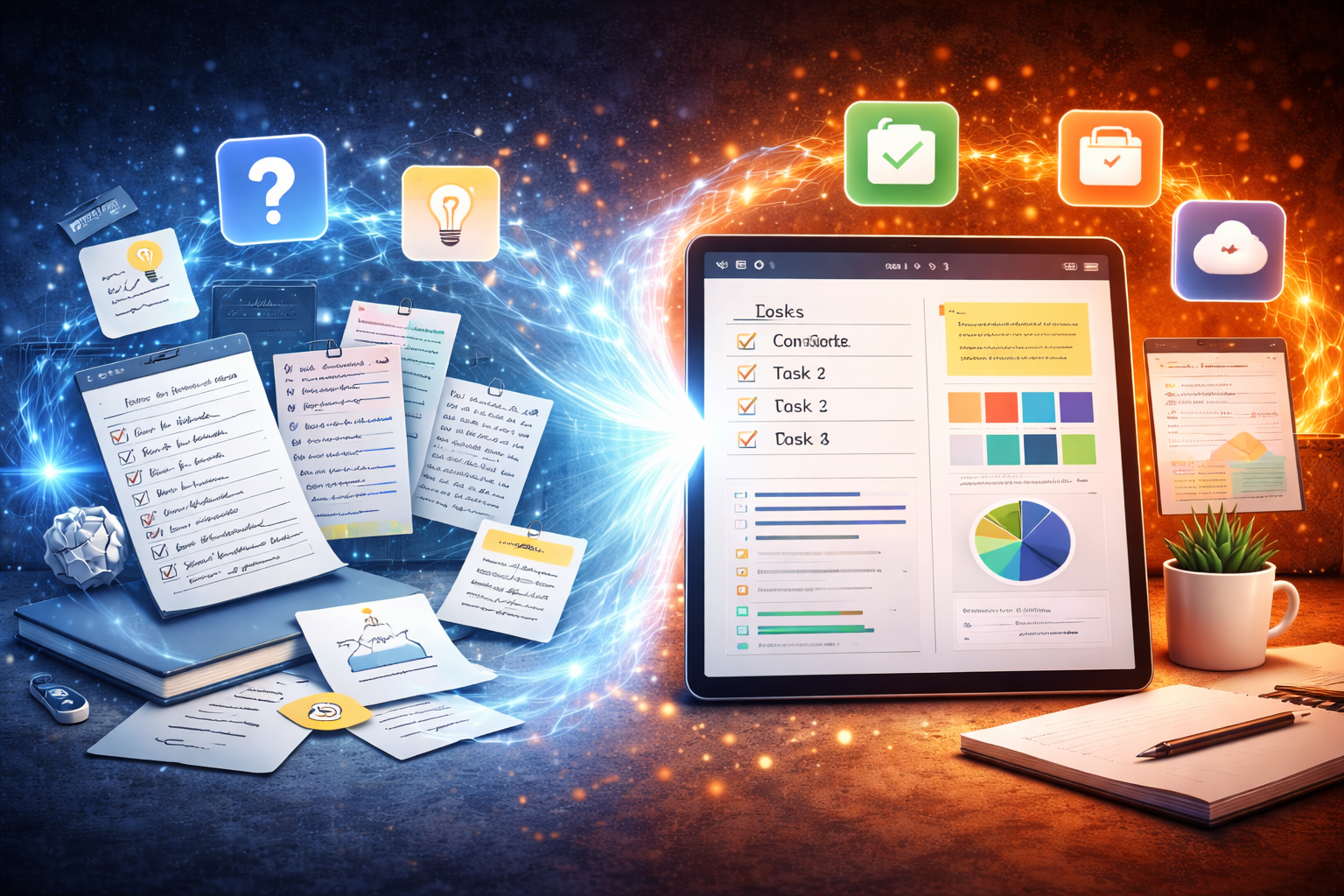
Productivity is often misunderstood. Many people think being productive means working longer hours, multitasking all day, or staying busy from morning to night. In reality, true productivity is about clarity, focus, and using the right methods to get meaningful work done. This is where smart work comes in.
Smart work is not about replacing hard work—it’s about directing your effort in the right place. When productivity and smart work come together, you start completing tasks faster, with better quality, and with less stress. Whether you are a student, a professional, a writer, or someone managing daily life, these principles apply to everyone.
In this article, we will break down productivity and smart work in a simple and practical way, so you can apply it immediately in your daily routine.
What Is Productivity in Real Life?
Productivity is not about doing everything.
It is about doing what actually matters.
A productive person:
- Knows their priorities
- Finishes important tasks first
- Avoids unnecessary distractions
- Uses tools and systems instead of relying only on memory
Productivity is personal. What works for a student may look different from what works for a professional or a creative writer. The key is building a system that supports your work style.
What Does Smart Work Really Mean?
Smart work means thinking before acting.
Instead of asking:
“How hard can I work?”
You ask:
“What is the smartest way to do this?”
Smart work includes:
- Choosing the right tools
- Automating small tasks
- Breaking big work into smaller steps
- Working during your most focused hours
- Eliminating low-value activities
Smart work reduces wasted effort and saves mental energy for important decisions.
Core Principles of Productivity and Smart Work
1. Clear Goals Before Action
Start your day knowing exactly what needs to be done.
Vague goals create confusion, while clear goals create momentum.
Bad example:
“Work on studies”
Good example:
“Revise chapter 3 and solve 10 questions”
2. Focus on One Task at a Time
Multitasking feels productive but usually lowers quality.
Single-tasking improves:
- Speed
- Accuracy
- Mental clarity
Even 30–45 minutes of focused work can outperform hours of distracted effort.
3. Use Digital Tools to Reduce Mental Load
Your brain should not be used as a storage device.
Use digital tools for:
- Notes and ideas
- Task lists
- Calendars and reminders
- File organization
This frees your mind to think creatively and make better decisions.
4. Time Blocking Instead of To-Do Overload
Instead of writing long to-do lists, assign tasks to specific time blocks.
Example:
- 9:00–10:00 → Writing / Study
- 11:00–11:30 → Emails
- 4:00–4:30 → Review tasks
Time blocking turns intention into action.
5. Smart Use of Breaks
Breaks are not a waste of time. They are a productivity tool.
Short breaks help:
- Prevent burnout
- Improve concentration
- Maintain long-term consistency
Even a 5-minute pause can reset your focus.
6. Optimize, Don’t Overcomplicate
Productivity systems should make life easier, not harder.
If a tool or method:
- Takes more time to manage than to use
- Feels stressful
- Adds confusion
It’s not smart work. Keep systems simple and flexible.
Productivity Tips for Different People
For Students
- Study in focused sessions
- Use digital notes and revision planners
- Track assignments and deadlines in one place
For Writers and Editors
- Separate writing and editing time
- Capture ideas instantly using notes apps
- Set daily word or task goals
For Professionals
- Schedule deep work hours
- Limit unnecessary meetings
- Automate repetitive tasks
For Home and Personal Life
- Use reminders for bills and tasks
- Plan weekly routines
- Keep digital checklists for daily chores
Productivity is not limited to work—it improves overall life organization.
Common Productivity Mistakes to Avoid
- Trying too many tools at once
- Copying someone else’s system blindly
- Overloading your schedule
- Ignoring rest and sleep
- Measuring productivity by busyness
Smart productivity is calm, controlled, and intentional.
Final Thoughts: Productivity Is a Skill, Not a Trait
Productivity and smart work are learnable skills, not something you are born with. Small improvements in focus, planning, and tool usage can create massive long-term results.
You don’t need to change everything at once. Start with one habit, one tool, or one routine—and build from there. Over time, productivity becomes natural, and smart work becomes your default approach.
The goal is not to do more work.
The goal is to do better work with less stress and more clarity.